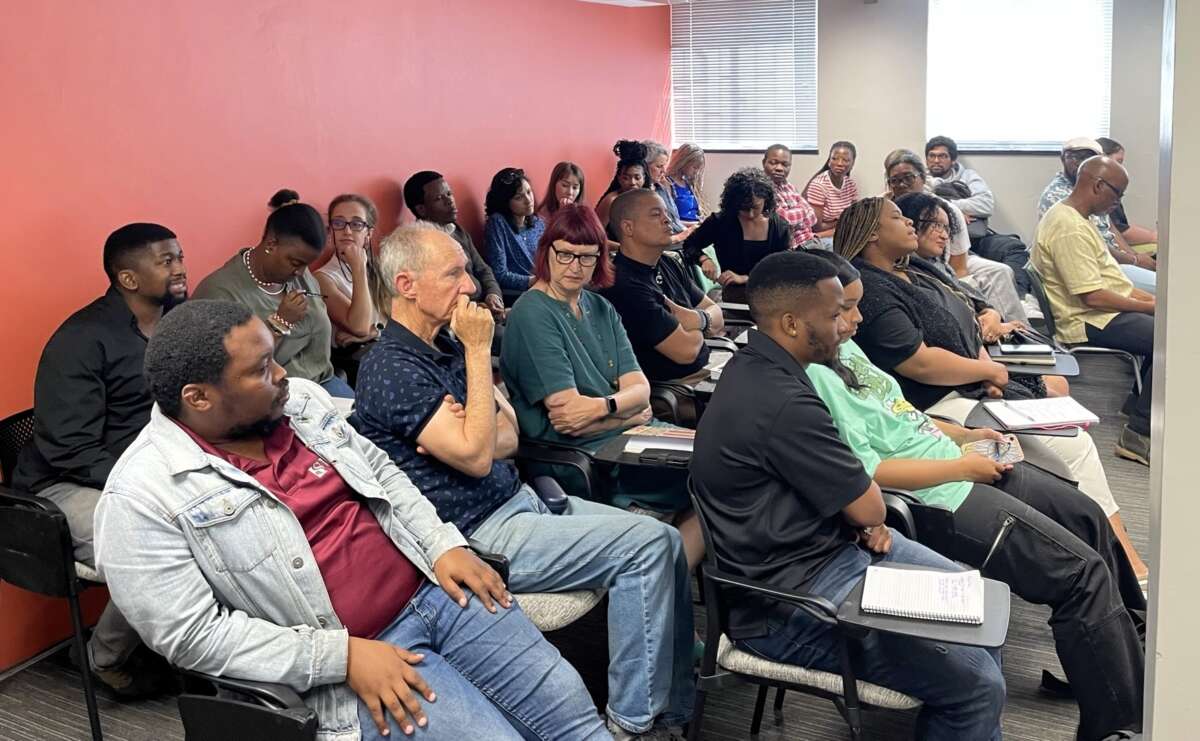
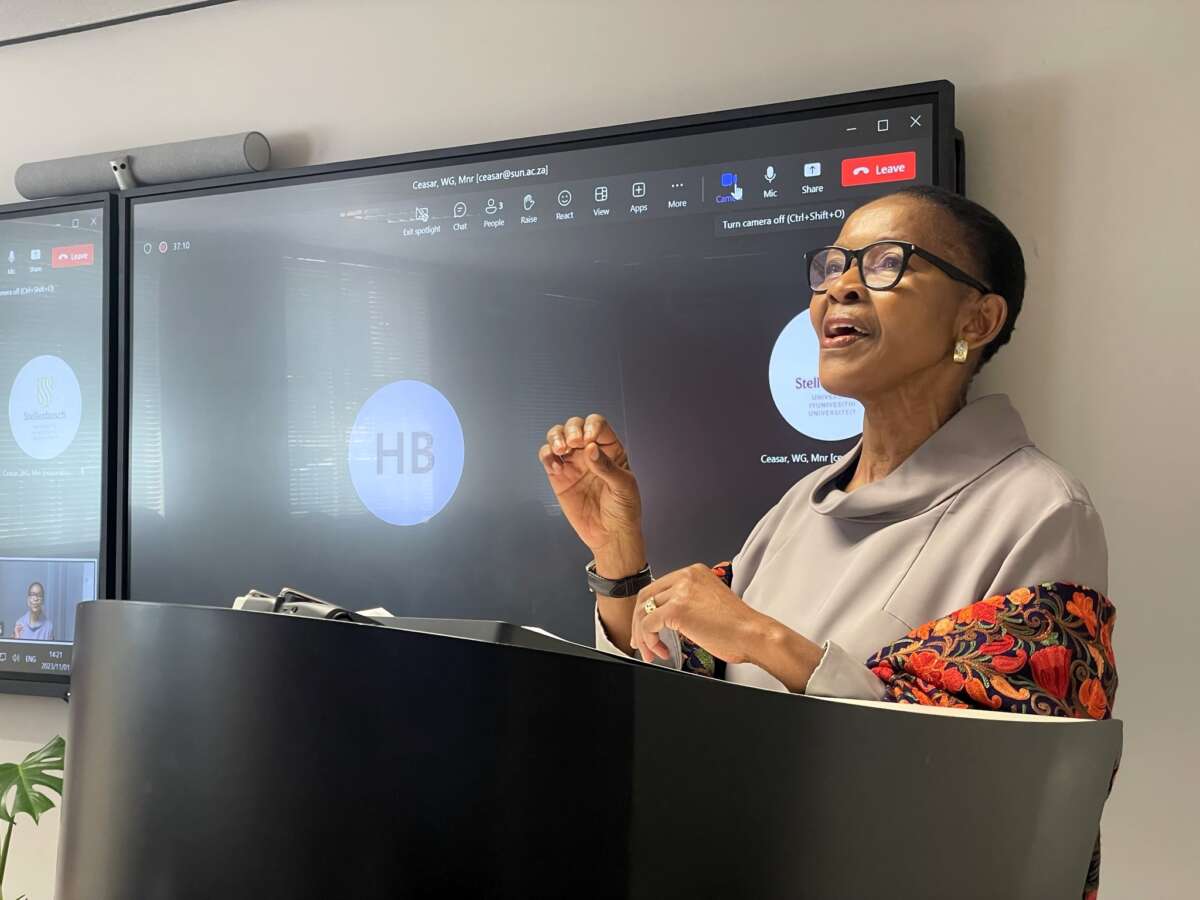
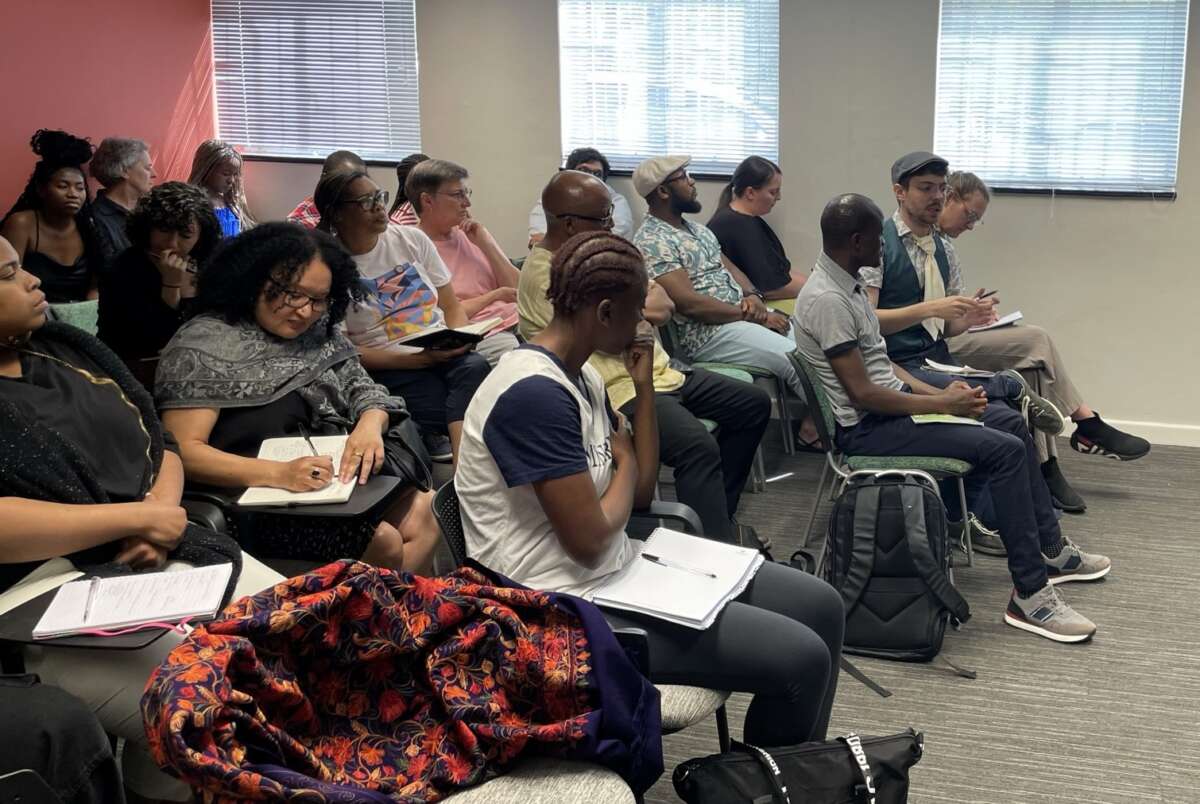
In an atmosphere charged with intellectual curiosity and scholarly warmth, the AVReQ Seminar Room recently hosted the inaugural event of the Theory 101 Lecture Series: Demystifying Frantz Fanon, with a conversation between Professors Homi Bhabha and Pumla Gobodo-Madikizela. This new series, jointly presented by the Centre (AVReQ) and the Graduate School, aims to nurture interdisciplinary exchange and cultivate a robust intellectual community.
Recognising the depth and resonance of Frantz Fanon’s work in both global and African theoretical contexts, the organisers identified Professors Homi Bhabha and Pumla Gobodo-Madikizela as ideal interlocutors to inaugurate the series. Their distinct yet complementary scholarly trajectories offered an ideal foundation for a rich and layered conversation. Professor Bhabha, the Anne F. Rothenberg Professor of the Humanities at Harvard University, engaged in dialogue with AVReQ Director Professor Pumla Gobodo-Madikizela, whose decades of work on trauma, memory, and repair in post-conflict societies intersects meaningfully with Fanon’s insights on decolonisation and psychological liberation.
Together, they navigated Fanon’s enduring theoretical legacy, drawing connections between his foundational texts and contemporary questions of identity, justice, and postcolonial thought. The discussion was attended by a diverse audience of students and scholars whose disciplinary backgrounds enriched the conversation further, making for an engaged and resonant session.
One of the most memorable moments emerged unexpectedly: a brief technical glitch that disrupted Prof Bhabha’s virtual connection catalysed an impromptu, in-room dialogue. This spontaneous exchange marked by rigorous inquiry and vibrant engagement, prompted Prof Gobodo-Madikizela to express a heartfelt commitment to extending the conversation across future platforms.
With this powerful beginning, the Theory 101 Lecture Series has firmly established itself as a site for critical exploration and academic collaboration. By creating space for layered and thoughtful engagement with theory, the series not only honours Fanon’s intellectual legacy but also affirms the AVReQ as a dynamic hub where ideas ignite and flourish.
As the series continues, its commitment to dialogue across disciplines ensures that Fanon’s questions, and the conversations they inspire, remain alive in the corridors of scholarship and beyond.