
MPhil in Violent Histories and Repair
Stellenbosch University | Accepting applications for: January 2027
The MPhil in Violent Histories & Repair at AVReQ, which launched in January 2026, is a unique interdisciplinary programme at Stellenbosch University dedicated to decolonial research and exploration of new frontiers of knowledge in Transgenerational Trauma. In this programme, students will learn about how violent histories shape our present and our future. Join a vibrant community of scholars and changemakers tackling real-world issues and reimagining what’s possible.
The MPhil in Violent Histories and Repair is a Masters degree that aims to educate, train and mentor emerging scholars and engaged young researchers to contribute to the much-needed decolonising development of knowledge on the multi-dimensional and transgenerational legacies of violent histories, and critical examination of psychosocial processes of repair to explore new imaginaries of what it means to repair or heal violent pasts. The programme focuses on the scope of research on the contemporary and continuing transgenerational legacies of violent histories (such as genocide, slavery, colonial-era violence, apartheid, etc.) and examines reparative practices and peacebuilding approaches adopted in selected postcolonial and post-conflict contexts. The programme is shaped by the key thematic research areas of the Centre for the Study of the Afterlife of Violence and the Reparative Quest (AVReQ). The course responds to the growing focus in higher education on memory studies, peacebuilding practice, and decolonial studies on the enduring impact of violent histories.
Through five compulsory modules that include a research methodology module and a thesis, the programme will provide students with a comprehensive introduction to research committed to decolonising knowledge and engagement with global scholarly debates on transgenerational trauma and examining peace-building and transitional justice strategies from selected postcolonial contexts, critically evaluating their inherent complexities and ambiguities in confronting violent histories and their pursuit of repair and transformation. Each module will require students to be based in Stellenbosch and its surrounding areas and to attend all lectures and seminars in person. For the completion of the thesis in the second year of the programme, the structure of supervision sessions may be arranged with the supervisors of a student’s thesis.
Teaching and Supervising Faculty

Dr. Akuch Kuol Anyieth
Teaching Faculty: In the “Research Methodology and Ethics for Violent Histories” Module.
Research interests: Gender-based violence; legal interventions and access to justice; processes of repair in conflict-affected societies; war, and intergenerational trauma; decolonial theory.

Prof. John Brewer
Teaching Faculty: In the “Research Methodology” Module: research methodologies for vulnerable populations.
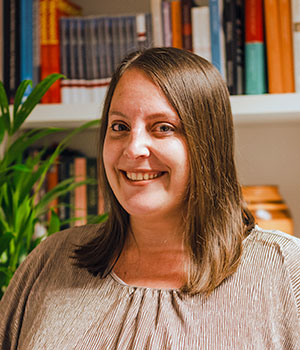
Dr. Melanie Cilliers
Teaching and Supervision.
Research interests: Racial empathy, intergroup dehumanization, destructive outcomes of systemic and institutional violence in unequal social systems.

Prof. Phil Clark
Teaching Faculty. In the “Afterlife of Violence” Module: the politics of traumatic histories in the Global South.

Prof. Anthony Collins
Teaching Faculty. In the “Research Methodology” Module: trauma-informed research design and mitigating risk for researchers and participants.

Prof. Sean Field
Teaching and Supervision. Research interests: oral histories of violence and aftermaths, methodological and theoretical challenges of doing oral history interviews and analysis with trauma survivors.

Prof. Willemien Froneman
Teaching and Supervision: Convenor of the MPhil thesis module; supervises interdisciplinary and practice-based projects grounded in decolonial and feminist thought across sound studies, the arts, literature and the social sciences.
Research interests: Race, whiteness and affect in South African popular music, sonic legacies of colonialism and apartheid, avant-gardism in South Africa, and the reparative possibilities of decolonial knowledge systems and AI governance

Prof. Pumla Gobodo-Madikizela
Teaching and Supervision. Research interests: transgenerational memory of historical violence, the “afterlife” of apartheid, critical trauma theory, critical forgiveness studies, and the possibilities and challenges of the repair of historical trauma.

Prof. Siona O’Cornell
Teaching and Supervision. Research interests: Research interests: The afterlives of slavery; forced removals and land restitution; Colouredness; silence, memory and the archive; reparative justice; decolonial theory and documentary practice.

Prof. Patricia Parker
Teaching Faculty. In the “Research Methodology” Module: community-based research and communication for social justice.

Dr Sophia Olivia Sanan
Teaching on ‘Contextual Perspectives on Trauma Testimony” and MPhil co-ordinator
Research interests: Critical Cultural Heritage; Culture, Aesthetics and Epistemology; Cultural Economy and Geopolitics; Museums and Memory Studies; Race, Identity and Historical Injustice; Ethics and Visual Cultures.

Dr. Lauren Van der Rede
Teaching and Supervision. Research interests: Genocide and Annihilatory violence, Literary and Cultural Studies, Memory, Memorialization, Historical Trauma, Intergenerational Trauma, Postcolonial Theory.

Dr. Wilhelm Verwoerd
Teaching and Supervision. Research interests: Shared, transgenerational responsibility of ‘implicated subjects’ (beneficiaries, descendants, institutions) in the wake of apartheid, colonialism and slavery; the South African Truth and Reconciliation Commission; the dynamics of deep racial repair (including apology, forgiveness); the role of (Christian) spirituality in radical reconciliation; nature-based peace cultivation; higher education transformation, especially at Stellenbosch University.
Endorsements
Leading scholars from different disciplines around the world have already recognised the MPhil’s contribution to memory, trauma, repair and decolonial knowledge production. See their endorsements HERE.