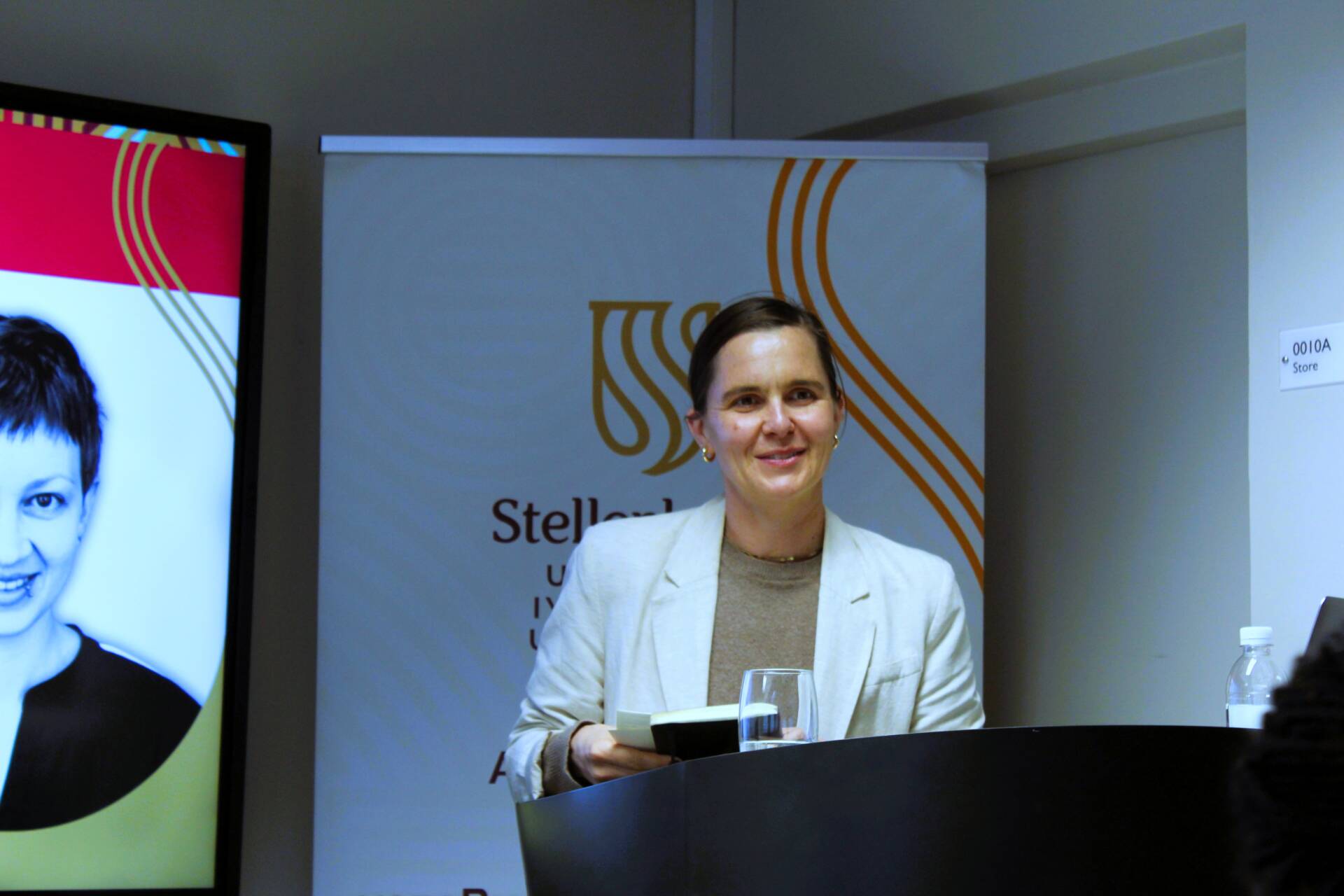
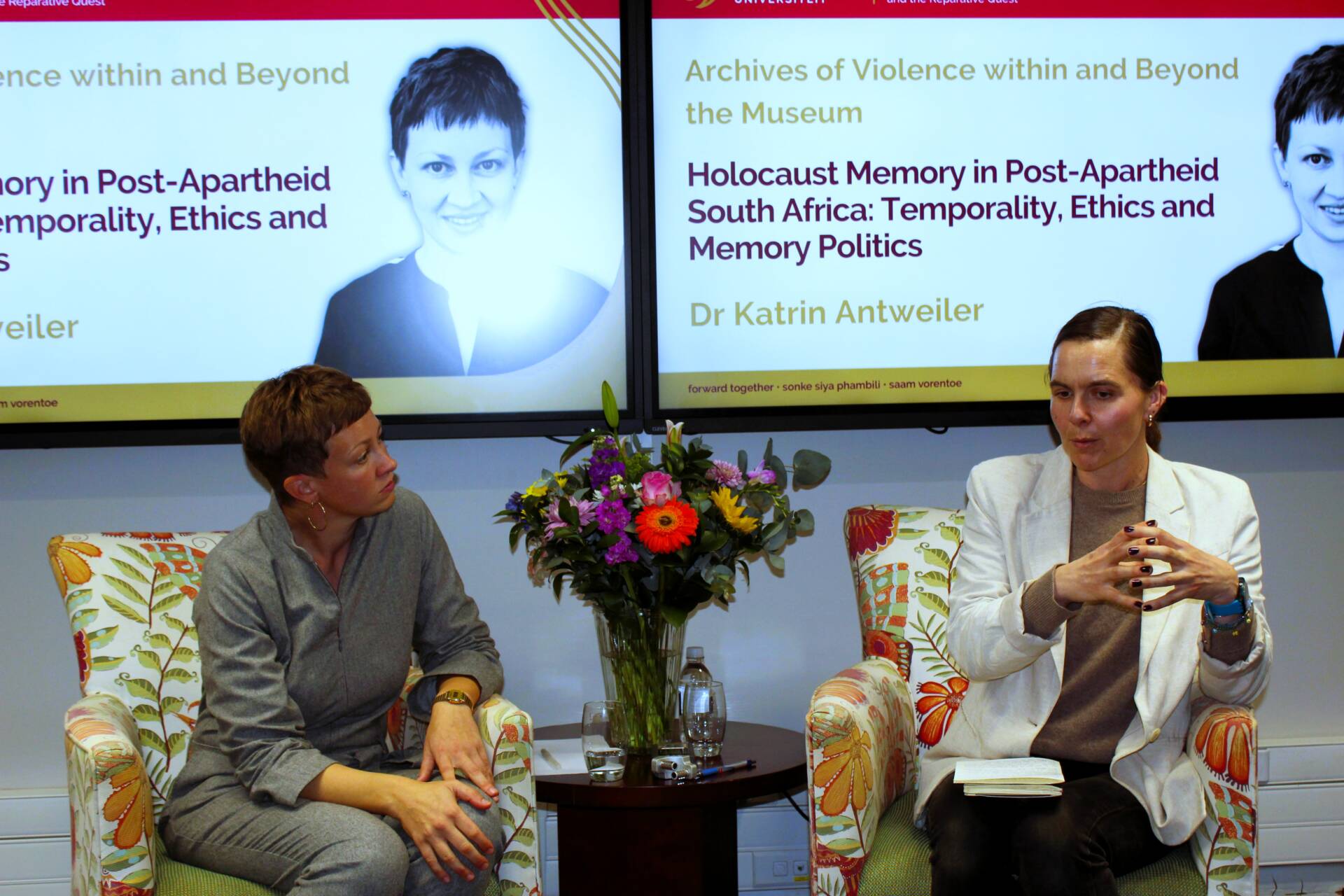
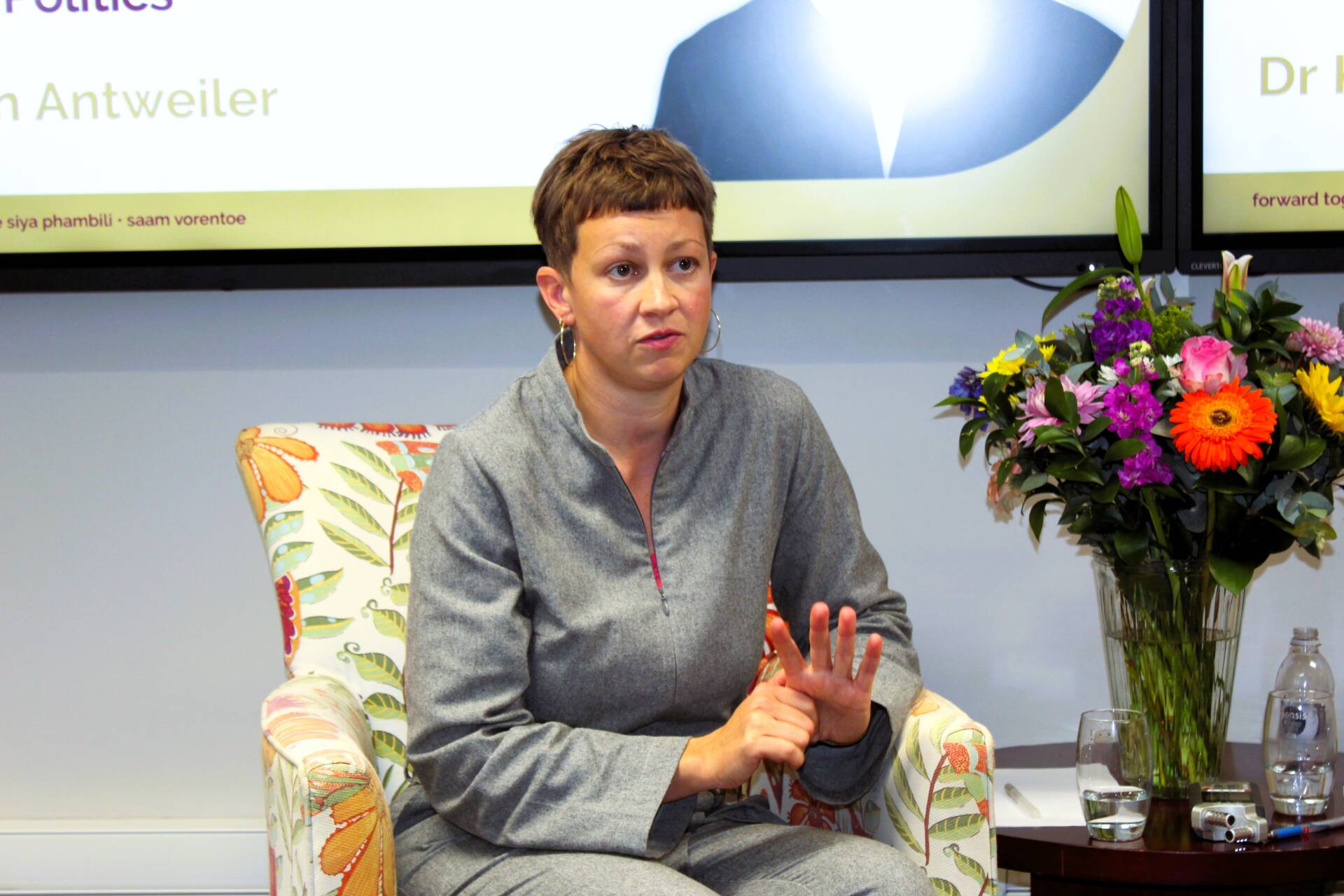
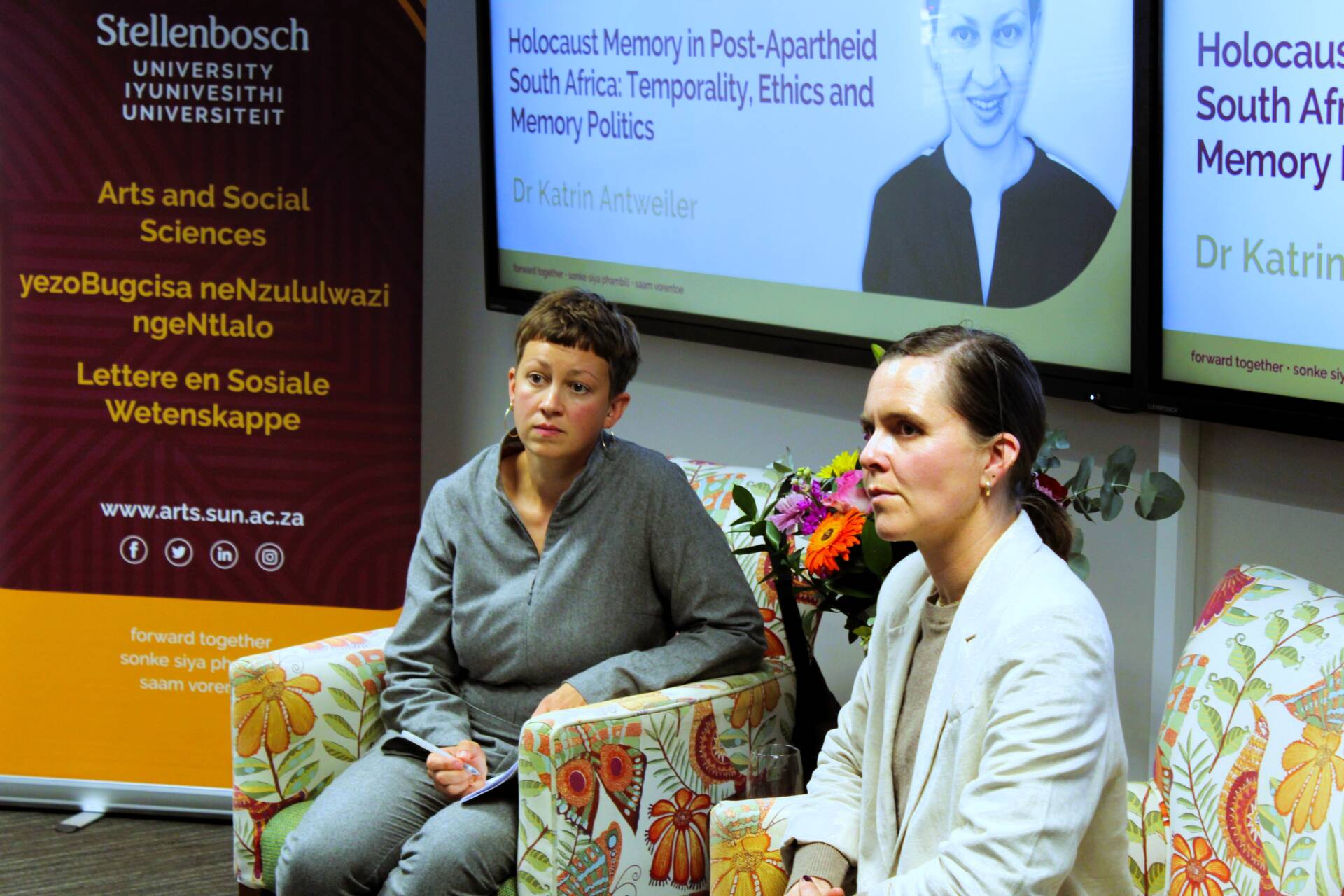
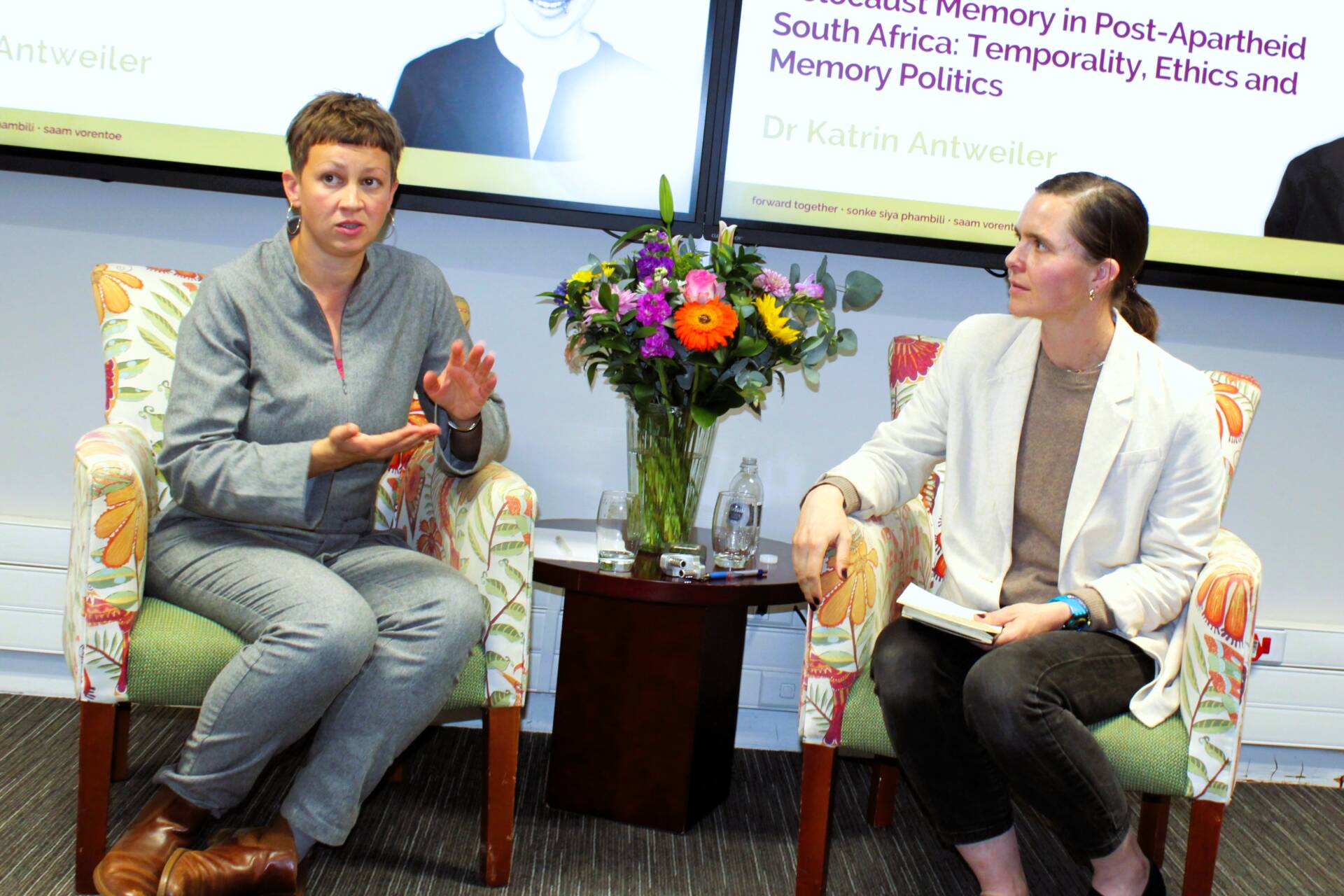
AVReQs recently hosted Dr Katrin Antweiler as part of the Bearing Witness seminar series. Dr Antweiler is a German scholar whose research examines Holocaust memorialisation and its intersections with human rights discourse. The event, introduced by Dr Sophia Sanan, formed part of ongoing reflections on memory, repair, and the role of cultural institutions in moments of crisis. Dr Sanan opened by situating the seminar within broader debates about museums and memory. She described a “very critical and transformative political moment in which institutions, worldviews and seemingly immovable paradigms are buckling under their own weight,” pointing in particular to the genocide of Palestinians. Against this backdrop, she invited Dr Antweiler to explore the politics of Holocaust memory in South Africa.
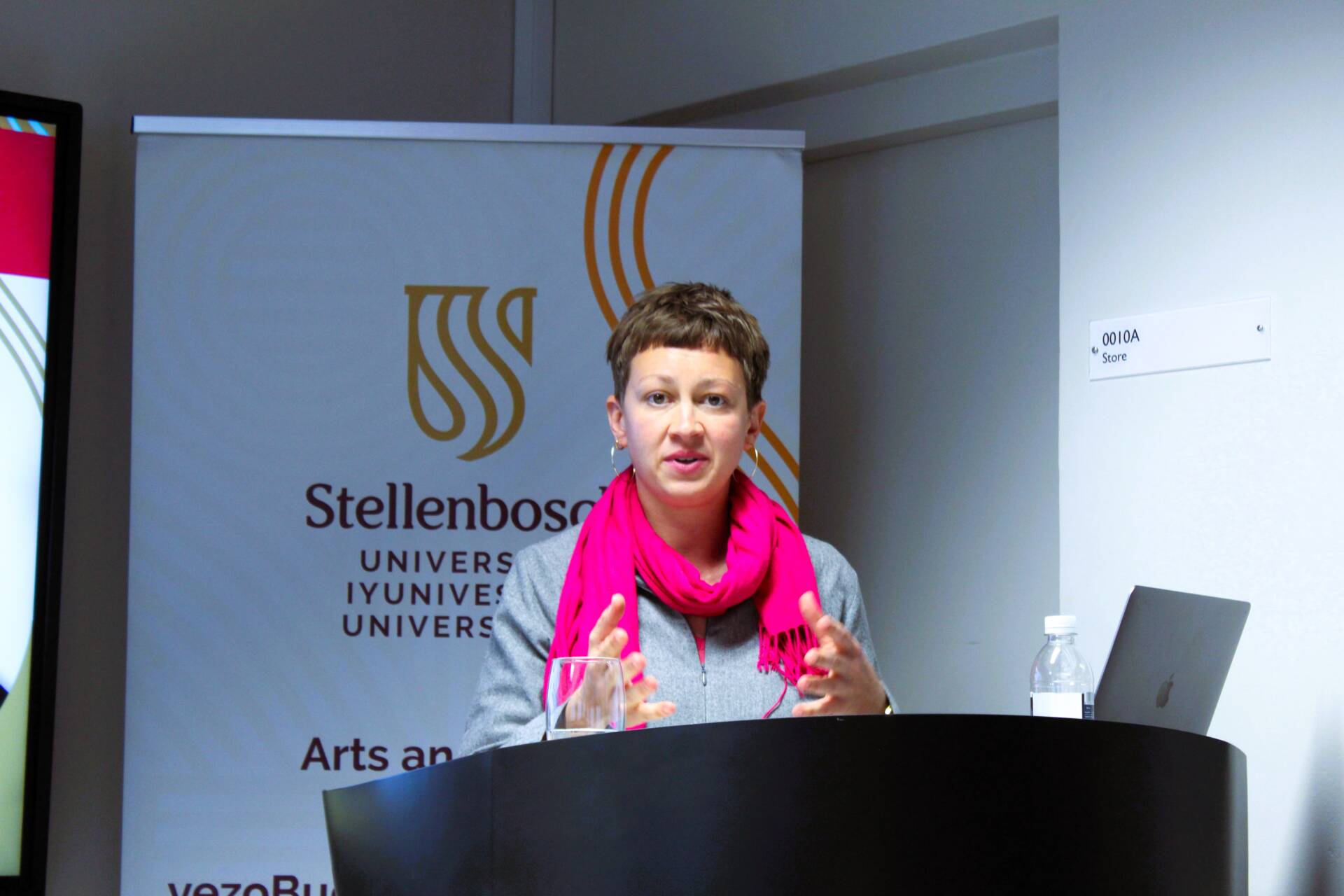
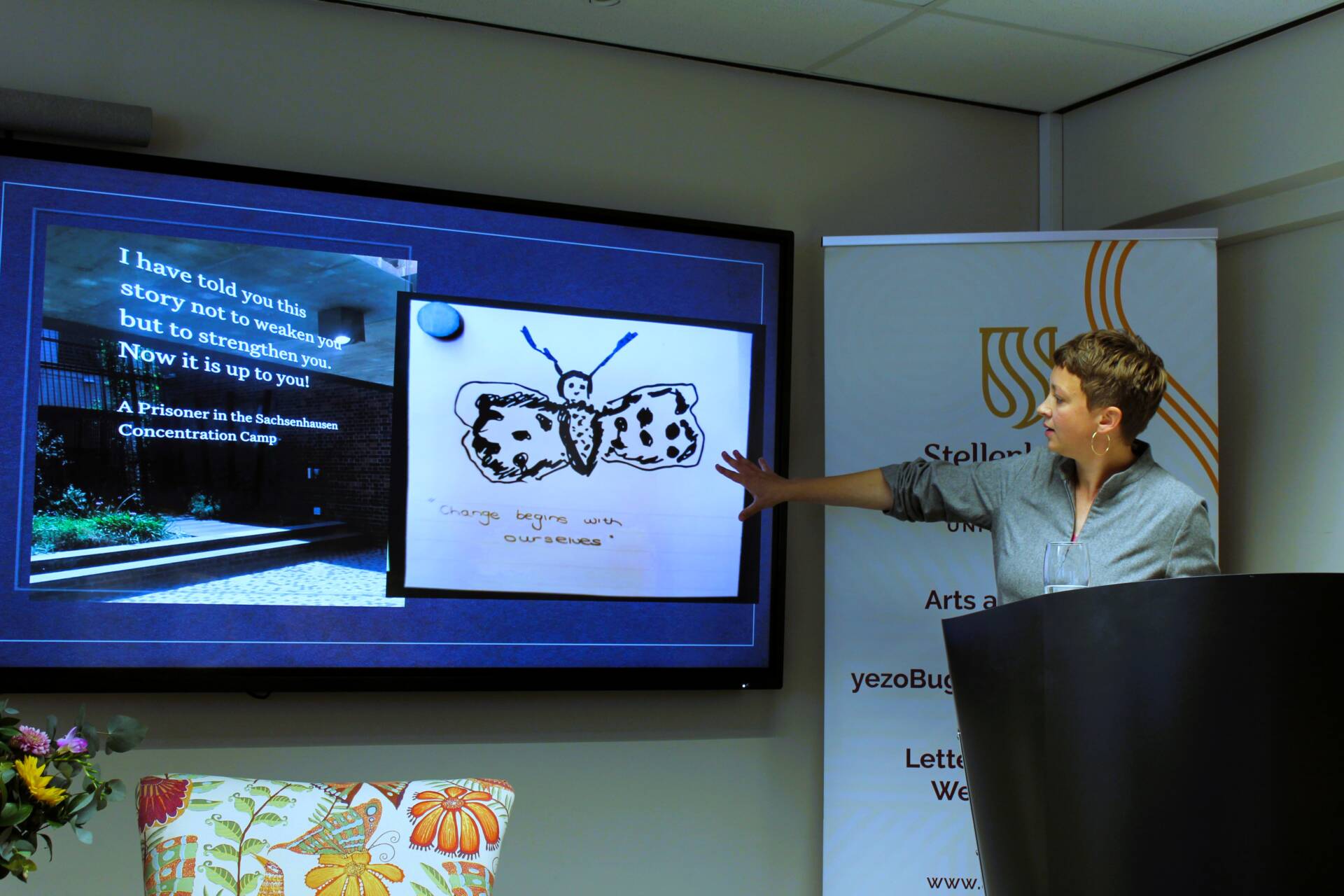
Dr Antweiler’s presentation drew on her doctoral research, which was later published as a book comparing Holocaust memorialisation in Germany, Canada, and South Africa. Her central question was “about the impact of global memory politics on how we imagine the present and the future.” In South Africa, she noted, the Holocaust was formally included in the national curriculum in 2007, justified by then-Minister of Education Angie Motshekga as promoting local knowledge ‘while being sensitive to global imperatives.’ This decision, Dr Antweiler argued, exemplifies the rise of a ‘Holocaust–human rights nexus,’ in which Holocaust remembrance has become a global moral obligation. At the Johannesburg Holocaust and Genocide Centre, she observed how learners are guided towards individual reflection with the message: “Now it’s up to you.” While powerful, Dr Antweiler questioned whether this focus risks “individualising responsibility” while leaving structural inequalities untouched.
Dr Antweiler cautioned that universalised Holocaust education can reproduce hierarchies of knowledge between North and South. Drawing on Steve Biko, she compared this to the colonial teacher–student relation, where societies of the South are cast as perpetual learners. In this sense, she argued, memory can “colonise political imaginations” by presenting liberal democracy as the only safeguard against violence.
In conversation, Dr Sanan reflected on the contradictions of German memory politics, particularly given Germany’s support for Israel during South Africa’s case at the International Court of Justice. She asked how Holocaust memory could enable “a differentiation of Jewish and Muslim lives.” Dr Antweiler reflected on her current research into German foreign policy, noting that while dissent is visible in contexts like South Africa, within Germany “the common sense around what memory can do… doesn’t seem to be challenged.” She stressed that the tendency to frame history as a dark past overcome by liberal democracy forecloses other imaginaries for more just futures.
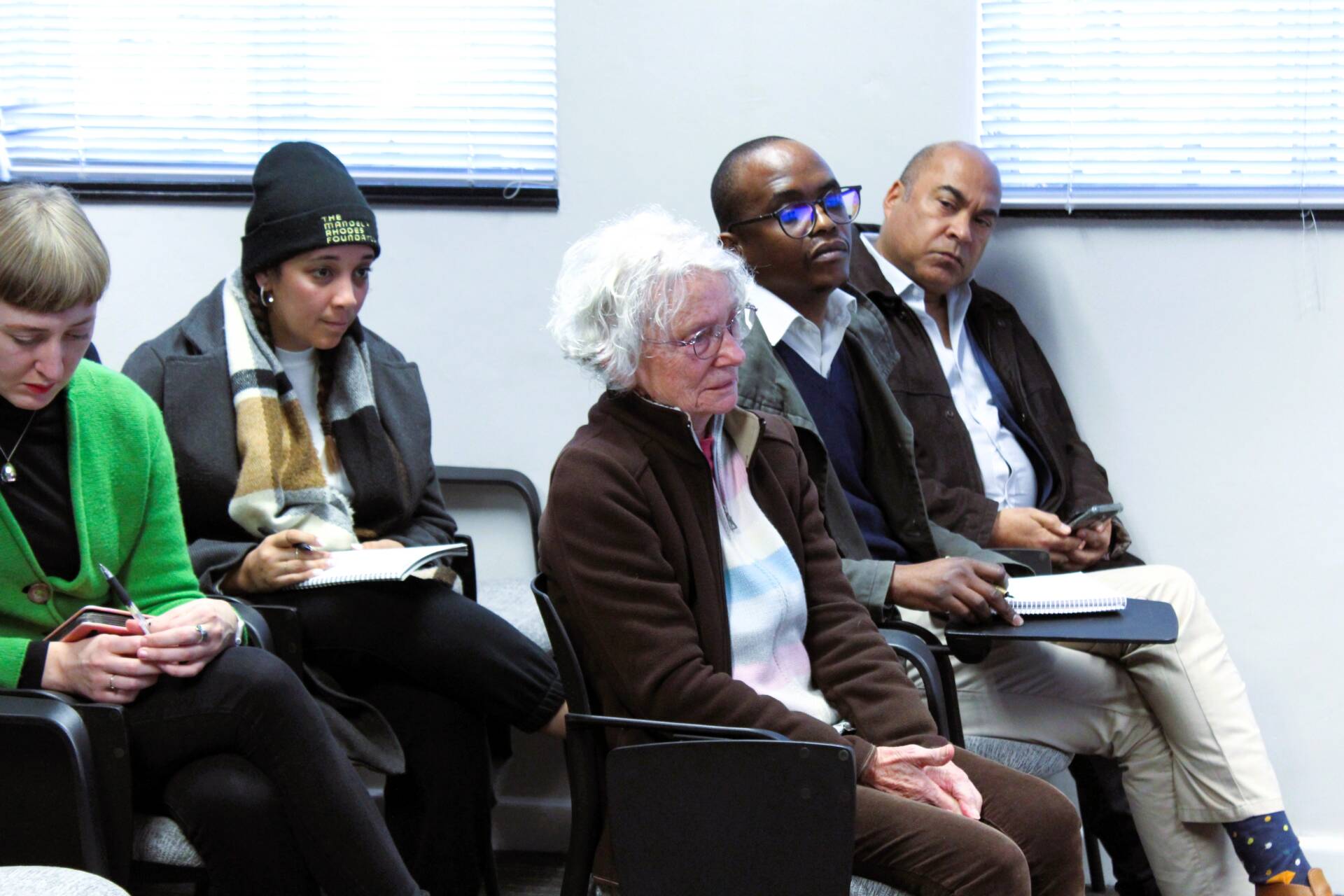
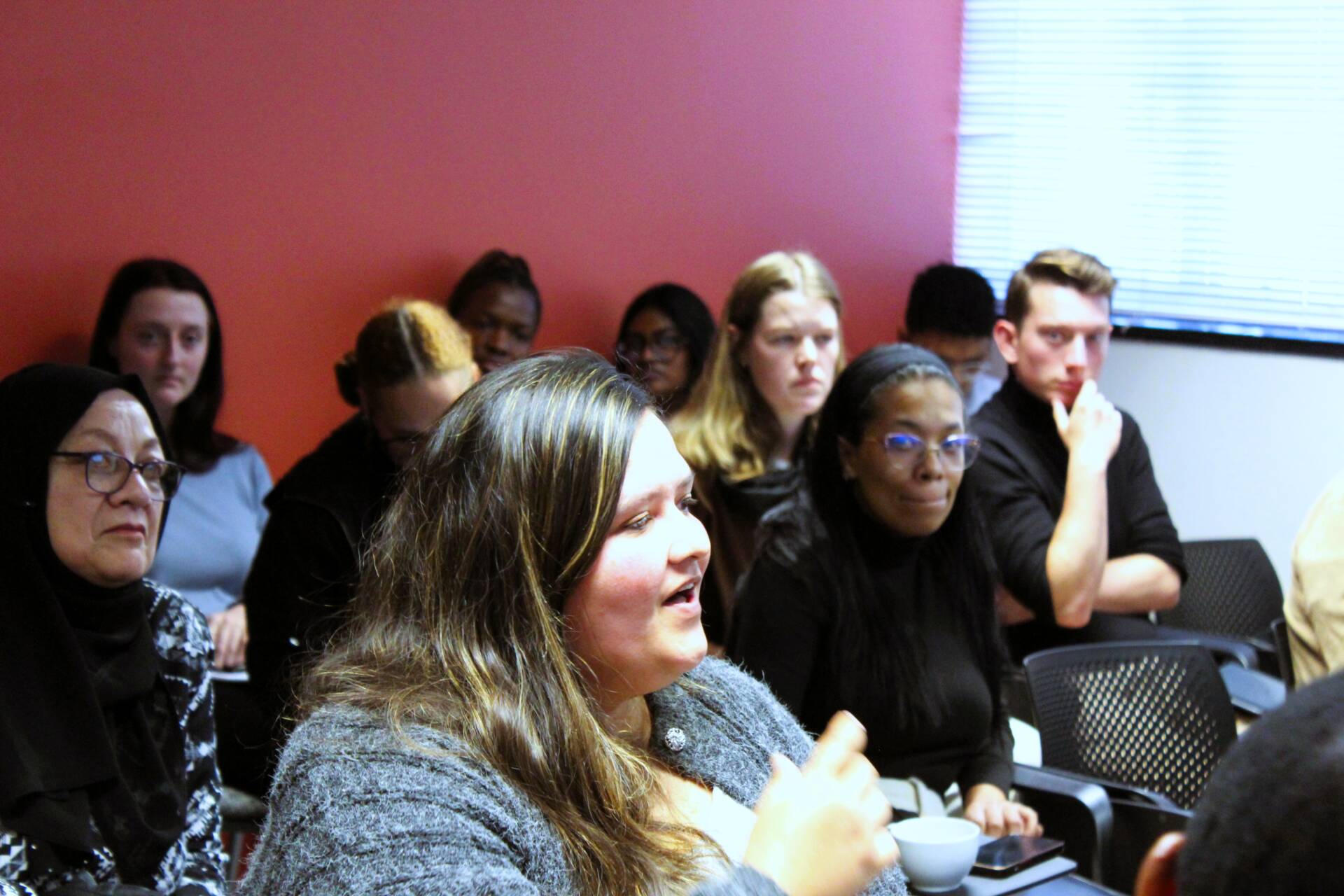
Audience contributions deepened the exchange. Prof Pumla Gobodo-Madikizela highlighted the danger of focusing exclusively on victims, warning that “never again” has often meant “never again to be victims,” obscuring the possibility of victims becoming perpetrators. Others raised the silences around Namibia’s colonial genocide and reflected on the intergenerational ‘pain of not knowing’ both in Germany and South Africa. The seminar underscored the political stakes of memory. As Dr Antweiler concluded, it is essential to attend to memory education “as a mechanism for conveying certain truths about the world, but not speaking about others,” always asking who is educating whom, and to what ends.